From images to anatomy
Deep learning methods that construct simulation-ready vascular and cardiac models from CT and MR images, replacing time-consuming manual modeling.
Read how SeqSeg works →Postdoctoral Fellow · Oden Institute, UT Austin
I build AI and simulation tools that turn medical images into patient-specific models of the heart and blood vessels.
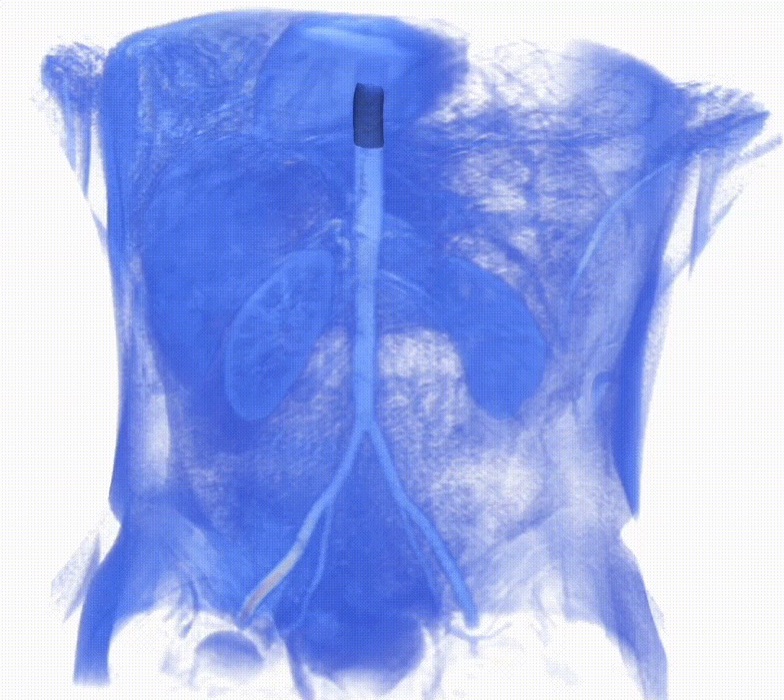
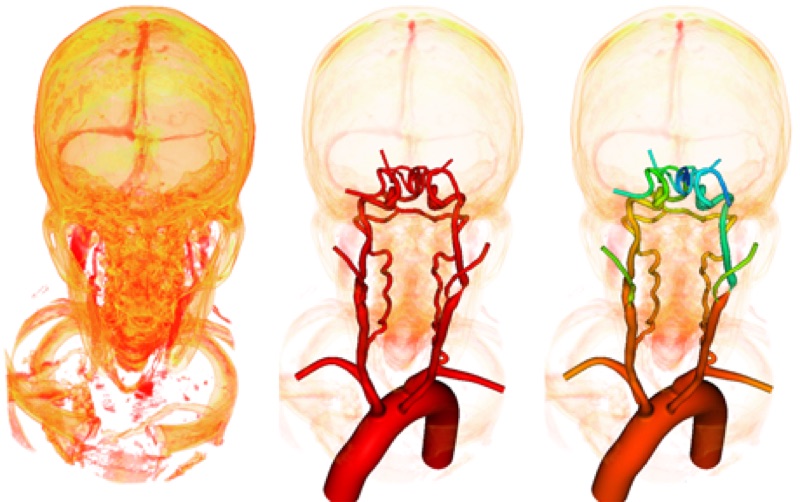
A MeshGrow model joining the vessels to the heart. Drag to rotate, or show the CT scan it was built from.
I’m a Postdoctoral Fellow at the Center for Computational Medicine at the Oden Institute for Computational Engineering and Sciences at UT Austin, working with Prof. Charley Taylor on computational and AI-driven methods for cardiovascular and respiratory modeling and digital twin development.
I completed my Ph.D. with Prof. Shawn Shadden at UC Berkeley, where my research combined biomechanics, machine learning, and computational modeling to better understand cardiovascular health. My current work extends these ideas to the intersection of cardiovascular and respiratory modeling, artificial intelligence, and simulation, in collaboration with the Cardiovascular Biomechanics Computation Lab at Stanford University and the Shadden Lab at UC Berkeley. I also contribute to SimVascular, an open-source platform for patient-specific blood flow simulation, and the Vascular Model Repository, a public resource for sharing high-quality vascular data and models.
I’m passionate about collaborative, translational research and about using engineering and data-driven approaches to address real medical challenges.
Outside the lab, I enjoy exploring history, traveling, gardening, and cooking with friends.
Computational medicine, cardiovascular and respiratory modeling, medical image analysis, deep learning, digital twins
Ph.D. Mechanical Engineering · UC Berkeley, 2025
B.S. Mechanical Engineering · University of Iceland, 2019
Deep learning methods that construct simulation-ready vascular and cardiac models from CT and MR images, replacing time-consuming manual modeling.
Read how SeqSeg works →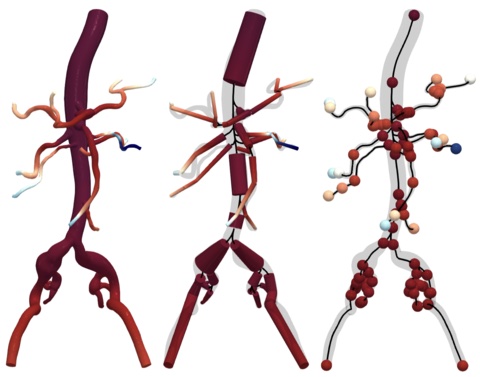
Automated reduced-order pipelines that go from a medical image to a patient-specific blood flow simulation within minutes, making larger studies practical.
See MIROS on GitHub →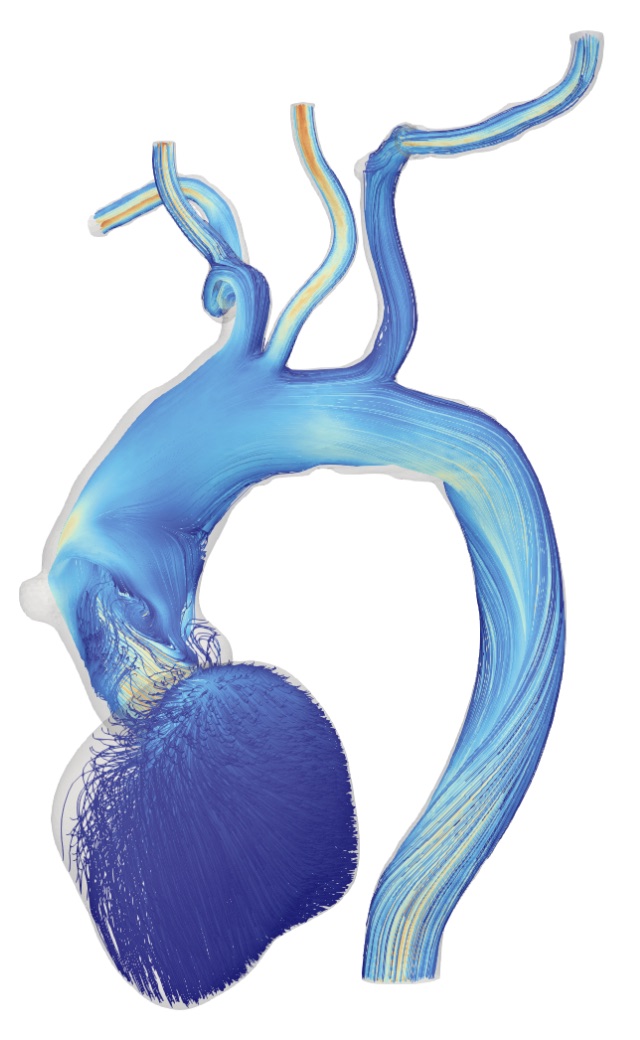
Current work at UT Austin extends these methods across the cardiovascular and respiratory systems, with a focus on clinical translation.
Read about the lab →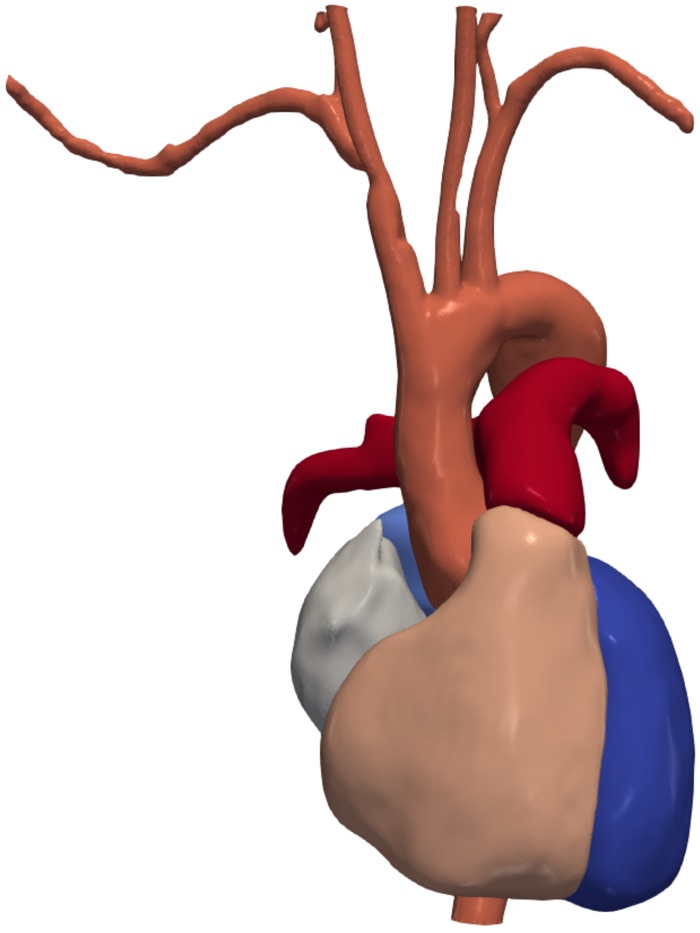
I'm glad to hear from researchers, clinicians and students working on computational medicine, whether about a collaboration, a talk, or a question about the tools.
Get in touch