New Paper Published: MeshGrow in JRSM Cardiovascular Disease
 Big news! Our paper, MeshGrow: Integrated framework for simulation-ready cardiac and vascular mesh construction from medical imaging, is now out — open access — in JRSM Cardiovascular Disease!

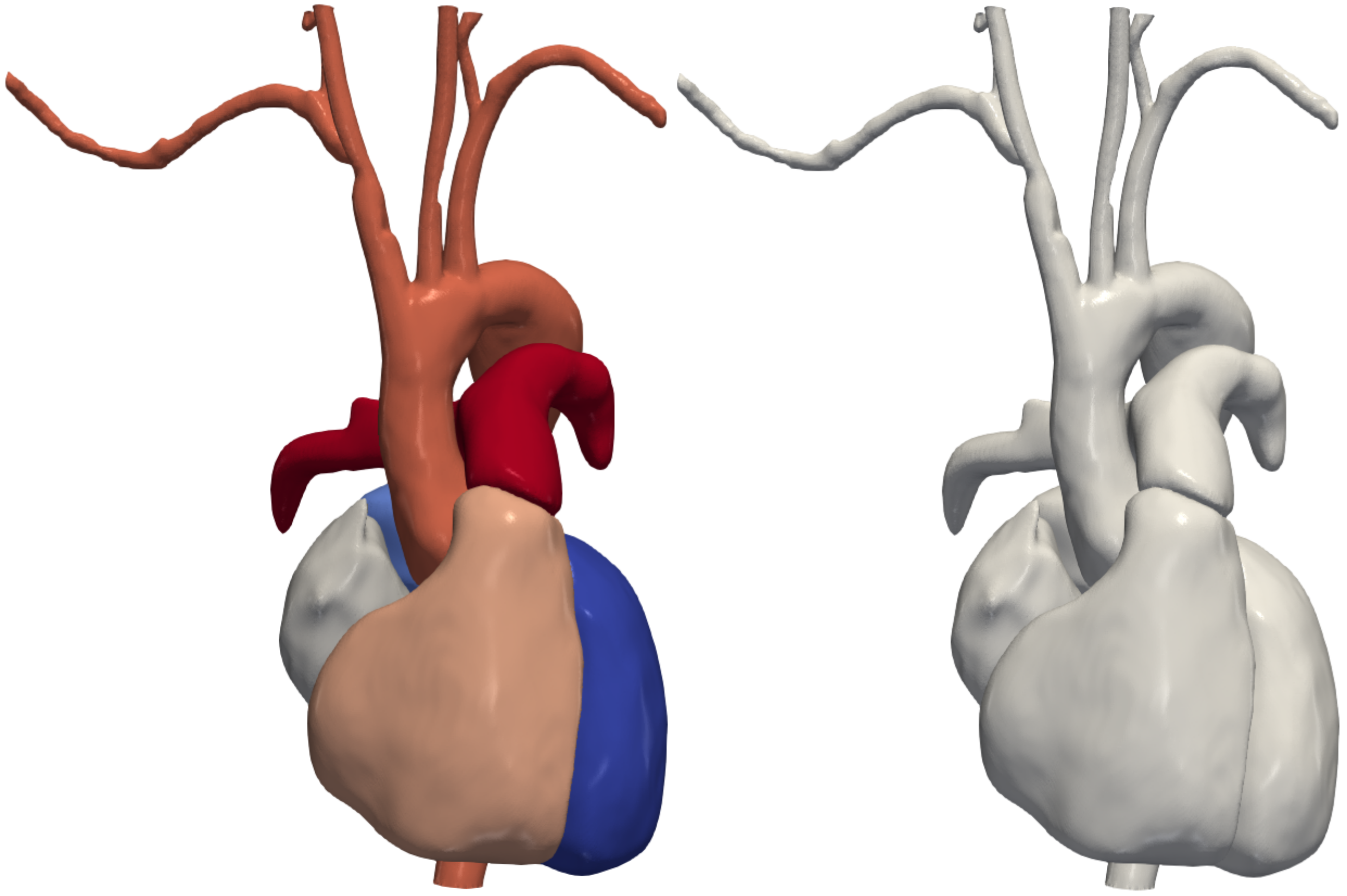
MeshGrow is an integrated framework for building simulation-ready cardiac and vascular models directly from medical images. It combines two machine learning based techniques in a two-stage approach: first meshing the cardiac chambers, then growing the aorta and its main sub-branches out from the heart, and returns a single simulation-suitable mesh with a defined aortic valve surface and the boundary surfaces needed to run patient-specific hemodynamics simulations.
We evaluated MeshGrow on five CT datasets—outperforming state-of-the-art benchmark methods—and ran full three-dimensional computational fluid dynamics simulations on two of the cases to confirm the models are truly simulation-ready.
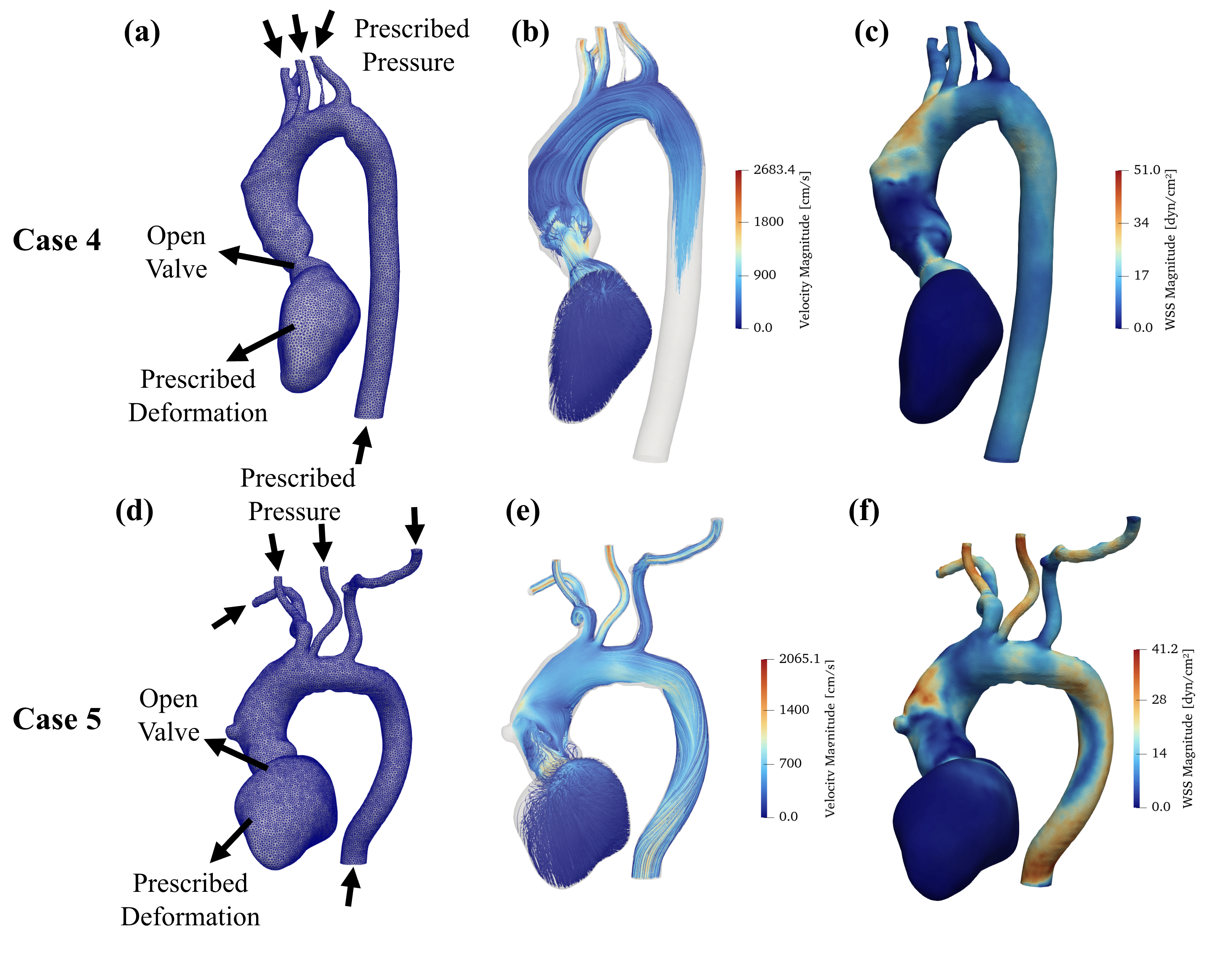
This journal article extends our earlier FIMH 2025 conference paper with additional test cases and full three-dimensional CFD simulations. Work with Arjun Narayanan, Fanwei Kong, and my PhD advisor Prof. Shawn Shadden.
 Read the paper: MeshGrow: Integrated framework for simulation-ready cardiac and vascular mesh construction from medical imaging
For a plain-language walkthrough, see the blog post: One Model, Heart and Vessels: How MeshGrow Builds Simulation-Ready Cardiovascular Anatomy.